Designing and Implementing Effective Programs to Reward Repeat Customers
Lesson Overview
Acquiring new customers is important—but retaining existing customers is often more valuable.
Customer loyalty programs are designed to:
Encourage repeat business
Strengthen customer relationships
Increase long-term value
When implemented well, loyalty programs feel like recognition, not promotion.
When implemented poorly, they feel transactional or forgettable.





This lesson explores how to:
Understand the purpose of loyalty programs
Design programs that align with customer motivation
Reward behavior that supports long-term relationships
Avoid common loyalty program pitfalls
The goal is not simply to offer rewards, but to build loyalty through meaningful engagement.
What Is a Customer Loyalty Program?
A customer loyalty program is a structured approach to recognizing and rewarding customers for continued engagement with a business.
Loyalty programs may reward:
Repeat purchases
Frequency of engagement
Advocacy or referrals
Long-term relationships
At their best, loyalty programs strengthen emotional and practical connections.
Why Loyalty Programs Matter
Loyal customers tend to:
Purchase more often
Spend more over time
Be less price-sensitive
Recommend the business to others
A well-designed loyalty program reinforces positive behavior and encourages ongoing engagement.
Understanding Customer Motivation
Effective loyalty programs are built around customer motivation, not business convenience.
Common motivators include:
Recognition and appreciation
Convenience and simplicity
Tangible rewards
Exclusivity or status
Not all customers are motivated by discounts alone.
Types of Loyalty Programs
Different models suit different business goals.
Points-Based Programs
Customers earn points for purchases or actions that can be redeemed for rewards.
Best for:
Frequent transactions
Clear value exchange
Tiered Programs
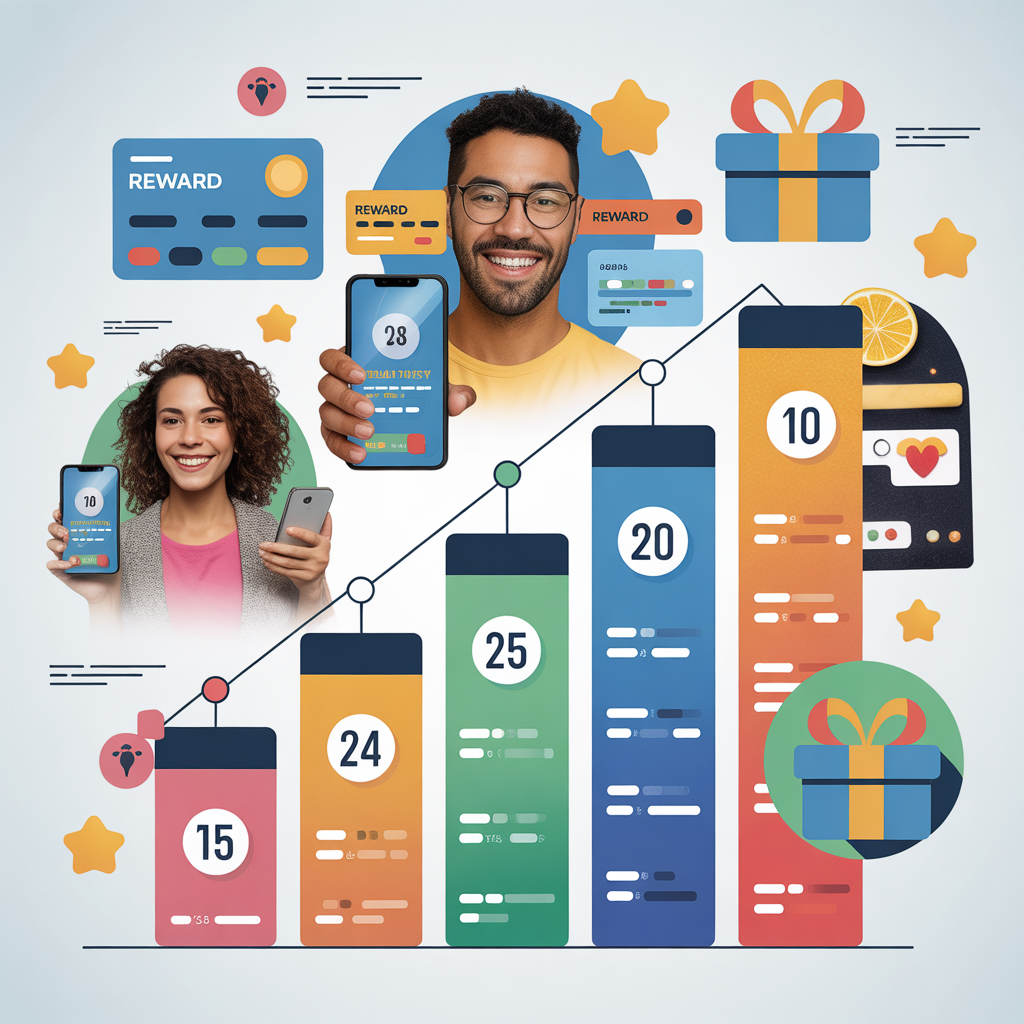
Customers unlock higher levels of benefits as their engagement increases.
Best for:
Encouraging long-term commitment
Rewarding high-value customers
Value-Based or Experience-Based Programs
Rewards focus on access, experiences, or recognition rather than discounts.
Best for:
Relationship-driven businesses
Differentiation beyond price
Referral and Advocacy Programs
Customers are rewarded for recommending others.
Best for:
Expanding reach through trusted networks
Leveraging customer satisfaction
Designing an Effective Loyalty Program
Strong loyalty programs are:
Simple to understand
Easy to use
Aligned with customer behavior
Key Design Considerations
Clear earning and redemption rules
Rewards that feel attainable
Minimal friction to participate
Consistent communication
Complexity reduces engagement.
Aligning Rewards with Desired Behavior
Rewards should reinforce behaviors that benefit both the customer and the business.
Examples:
Rewarding repeat visits instead of one-time purchases
Encouraging early engagement with new offerings
Recognizing long-term commitment
Alignment ensures the program supports strategic goals.
The Role of Personalization
Personalized rewards increase perceived value.
Examples include:
Birthday or anniversary recognition
Role- or preference-based offers
Tailored recommendations
Personalization helps customers feel seen rather than segmented.
Integrating Loyalty Programs with Customer Experience
Loyalty programs should feel like a natural extension of the customer experience.
Integration includes:
Seamless enrollment
Easy access to rewards
Consistent messaging across channels
When loyalty feels separate from the experience, engagement drops.
Measuring Loyalty Program Success
Effective programs are evaluated beyond participation numbers.
Meaningful metrics include:
Repeat purchase rate
Customer lifetime value
Redemption rates
Engagement frequency
Measurement helps refine and improve the program over time.
Avoiding Common Loyalty Program Pitfalls
Common challenges include:
Overly complex rules
Rewards with little perceived value
Poor communication
Inconsistent execution
Programs fail when customers don’t understand or care about the benefits.
Loyalty Programs and Trust
Trust is the foundation of loyalty.
Programs must:
Deliver on promises
Be transparent
Respect customer data
A loyalty program should enhance trust—not erode it.
Loyalty as a Long-Term Strategy
True loyalty is built over time.
Effective programs:
Evolve with customer needs
Remain relevant
Focus on relationships, not transactions
Loyalty programs work best when treated as an ongoing strategy, not a one-time initiative.
Common Misconceptions About Loyalty Programs
Discounts automatically create loyalty
More rewards equal better engagement
Loyalty programs replace good service
In reality, loyalty programs amplify good customer experiences—they do not replace them.
Key Takeaways
Loyalty programs reward ongoing relationships, not just purchases
Understanding customer motivation is essential
Simple, clear programs drive higher engagement
Rewards should reinforce desired behavior
Long-term loyalty is built through consistency and trust